1 October 2025, 13:30 CET
Seminar Room 1.102
The PeaceFIELD Story: Lessons From Evaluating Pro-peace Interventions
Since 2021, the PeaceFIELD Initiative has undertaken a range of unique impact evaluations of peacebuilding interventions in conflict-affected places across the globe. Case studies have derived evidence on which interventions support the creation of peaceful individuals, and how these individuals contribute to making more peaceful societies. These case-studies, drawn from Darfur and Gedaref in Sudan, the Polochic Valley in Guatemala, the Mali / Niger border and the Guinea / Sierra Leone border assess key building blocks of international strategies to build peace at the individual and community levels, including: the training of mediators; the broadcast of peace radio; multi-faceted support for returning refugees and IDPs; and land rehabilitation. Moreover, in these settings, we have collected bespoke micro-data in settings that are seldom the focus of rigorous empirical assessments. Through a set of four presentations, which focus on each of the settings, this session will tell the story of PeaceFIELD: from its inception and the gaps it identified and sought to close; to the development of unique identification strategies and the collection of the data to facilitate those strategies, including the unique challenges the peacebuilding field poses; to the creation and presentation of the project’s final results. This session shows the learning that can take place, even in the complicated environments that necessitate peacebuilding interventions and shows what can be achieved through continued investment in peace.

Neil Ferguson
Director, Peacebuilding Research Program, ISDC - International Security and Development Center

Luke Hosford
Junior Researcher, ISDC - International Security and Development Center
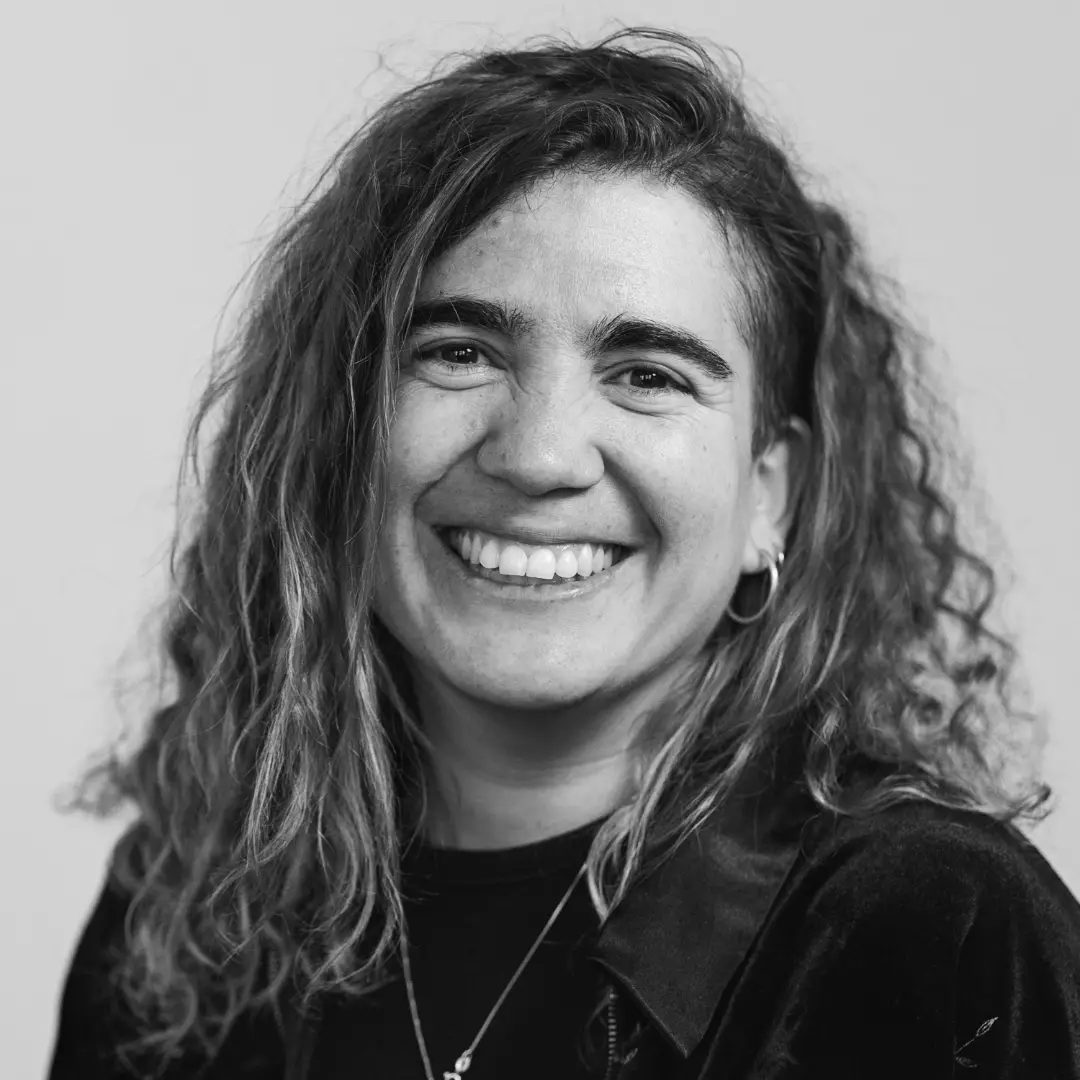
Paulina Rebolledo
Researcher, Isdc - International Security and Development Center

Paul Thissen
Senior Evaluation and Communication Specialist, International Initiative for Impact Evaluation (3ie)

Lame Ungwang
Postdoctoral researcher, isdc - international security and development center